People Who Care now has a YouTube channel! Watch our new YouTube videos below!
Volunteers Shopping for Neighbors
Stroke Support Group
For Community Members Who Have Had a Stroke and for Their Family No meetings until further notice due to the virus. Additionally, there are no meetings in December this year.
Prescott United Methodist Church Campus – Deborah Room –
Confident Living with Low Vision Course is provided for Quad-City residents two sessions each year.

The People Who Care’s Confident Living with Low Vision Series provides an educational opportunity for adults with low vision to have a better understanding of vision loss and to learn about resources, supports, and daily living techniques that encourage as much independence as possible at home and in the community.
Topics include: Understanding Medical Conditions and Current Research, Orientation and Mobility, Guide Dogs, Dealing with Life’s Changes, Safety and Organization, and Reading Writing and Lighting – Your Home is Your Castle.
We anticipate to schedule this course again in the fall, if conditions allow. Class is limited to a total of 25 per class, so please sign up soon! Registration is required to attend, our People Who Care “Neighbors” are provided transportation if needed. To register please call the Prescott Office at to provide your name, email address and phone number. Caregivers are encouraged to attend with their loved one.
“Closer Look” Interview with CJ
People Who Care | , Prescott, AZ |
Subscribe Today!
Your Donation Changes Lives.
We work hard to support our Neighbors who cannot drive due to physical limitations and assist them in remaining independent in their own homes.
Your donation is an act of kindness and generosity that truly makes a difference.
Together, we can improve our Neighbors’ access to healthcare, food, and other essentials – and replace loneliness and isolation with meaningful connections.
About People Who Care
People Who Care is a community organization built on a simple idea: neighbors helping neighbors. Based in Prescott, Arizona, the organization supports adults who can no longer drive because of age, illness, or physical limitations. Many of these residents are still sharp, curious, and eager to live on their own terms. What they lack is a way to get to the doctor, the grocery store, or the pharmacy.
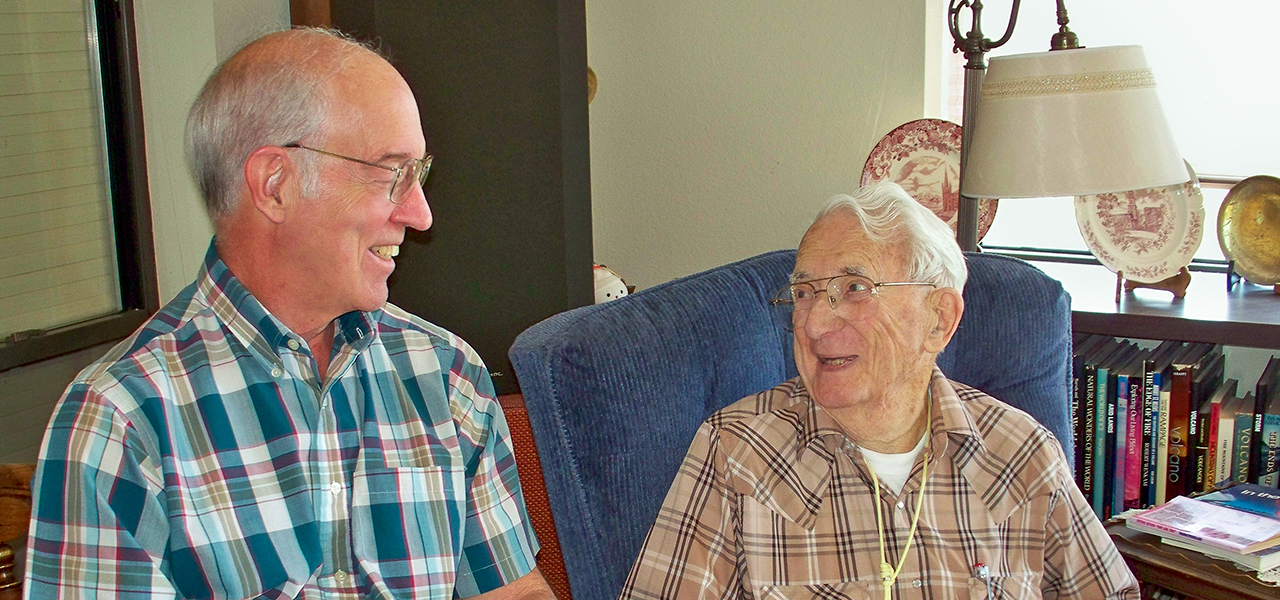
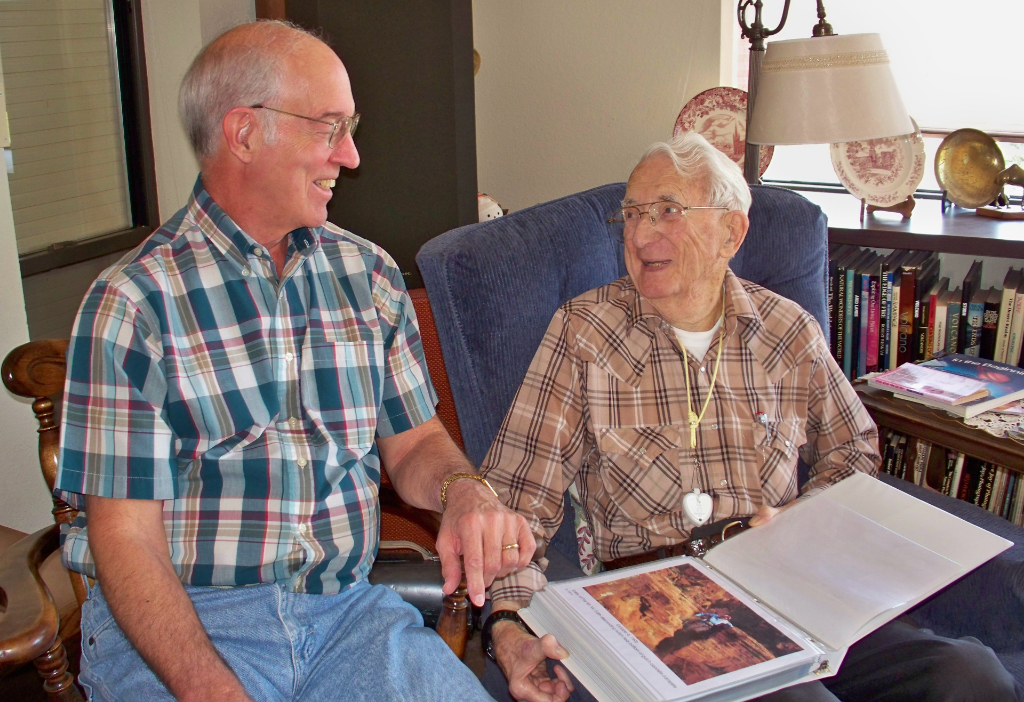
That is where our volunteers come in. Instead of treating the people we serve as clients, we call them Neighbors, because that is what they are. The word reminds everyone involved that giving and receiving help is a two-way relationship, and that each of us may need a hand at some point.
The programs described above, from the Stroke Support Group to the Confident Living with Low Vision course, grew out of listening to what our Neighbors told us they needed. Independence is rarely about one big thing. It is usually the sum of many small, dependable supports.
How Our Volunteer Services Work
Most of what People Who Care does happens quietly, one trip or one errand at a time. Volunteers give their own time and often their own vehicles to help Neighbors stay connected to the things that matter in daily life.
Typical ways volunteers help include:
- Driving Neighbors to medical appointments, therapy visits, and pharmacy pickups
- Shopping for groceries and household essentials, as shown in our video of volunteers shopping for Neighbors
- Providing a friendly voice and a familiar face for people who might otherwise go days without a visit
- Offering transportation to our classes and support groups, so that distance or lack of a car is never a barrier
If you or someone you love could use this kind of help, the best first step is to call the Prescott Office at . Our staff can explain what is available and talk through your situation.
Why Support Groups and Classes Matter
A stroke or the onset of vision loss can change nearly every part of a person's routine. Medical care addresses the condition itself, but it does not always address the questions that come afterward: How do I manage at home? Who else understands what this is like? What can my family do to help?
The Stroke Support Group exists for exactly this reason. It offers a place where survivors and their families can share experiences and practical advice with people who have walked a similar path. Hearing that others have faced the same frustrations, and found ways through them, can lift a heavy weight. Please remember that meetings are paused until further notice, so check with the office before planning to attend.
The Confident Living with Low Vision series works in much the same spirit. Rather than focusing only on what has been lost, it teaches skills and introduces resources that help participants keep doing the things they value. Because caregivers are encouraged to attend alongside their loved ones, families learn together, which often makes the changes at home easier for everyone.
Tips for Living Well with Low Vision
Although nothing replaces the full course, a few general ideas are commonly discussed in programs of this kind and can make daily life a little easier right away.
- Improve your lighting. Bright, even light in the kitchen, near reading chairs, and on stairs can reduce strain and prevent falls.
- Add contrast. A dark mat under a light plate, or bold tape on the edge of a step, helps important objects stand out.
- Stay organized. Keeping everyday items in the same place makes them easy to find by habit and touch.
- Ask about mobility training. Learning safe ways to travel around your home and neighborhood builds confidence.
- Talk to others. Peers and caregivers often have the best practical suggestions.
These are only starting points. The course goes further, covering medical conditions, current research, guide dogs, and the emotional side of adjusting to change.
Watching and Staying Connected
Our new YouTube channel is one more way to bring the work of People Who Care into your home. Videos let you meet volunteers, hear Neighbors tell their own stories, and see what a typical day of service looks like. They are also a convenient way to share our mission with friends and family who may not know that help like this exists in the Prescott area.
For news about upcoming classes, volunteer stories, and community events, be sure to read our Newsletter, and consider subscribing so updates reach you directly.
How You Can Get Involved
There are many ways to be part of this community, and none of them require special training. Some people give a few hours a month; others become regular volunteers. Some help by spreading the word, and others by making a donation that keeps services running.
- Volunteer your time as a driver, shopper, or friendly visitor
- Give to help cover the costs of transportation and programs
- Refer a neighbor, relative, or friend who might benefit from our services
- Share our videos and stories with others in your community
Every contribution, large or small, helps a Neighbor stay in their own home, keep their medical appointments, and feel less alone. To learn more or to get started, call us at or visit our office at in Prescott.